Henrik Müller · 23 October 2026
Seller Response Timing Effects on Discovery Patterns Among Buyers in Niche E-commerce Platforms
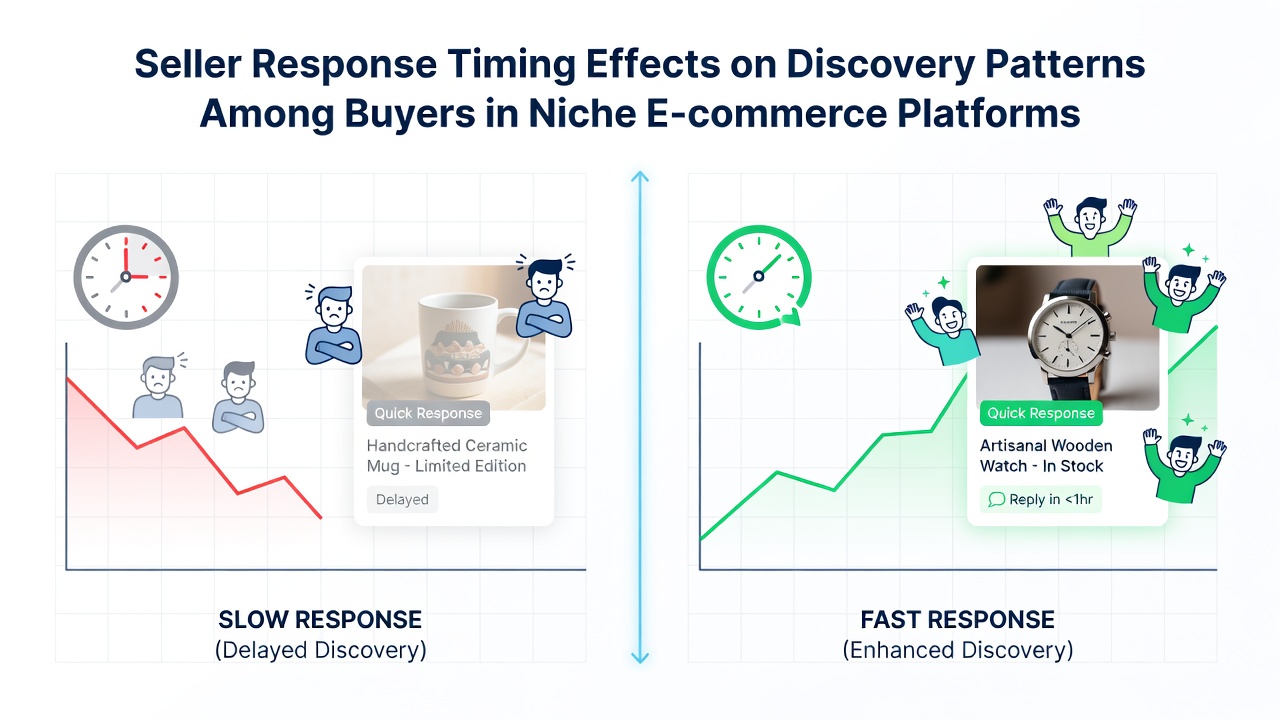
Platform algorithms in niche e-commerce environments track seller response times as one signal among many that shape product visibility and buyer exposure, and data from multiple marketplaces shows measurable shifts in discovery rates when response windows narrow or expand. Researchers tracking these systems note that shorter intervals between buyer inquiries and seller replies often correlate with elevated placement in recommendation feeds, whereas delays push listings toward lower priority queues. Studies conducted across specialized verticals, from handmade goods to technical components, reveal consistent patterns where response speed influences not only initial views but also subsequent engagement cycles that reinforce or diminish algorithmic promotion.
Platform Mechanics and Response Signals
Algorithms deployed by niche platforms evaluate seller behavior through metrics that include reply latency, and these calculations feed directly into ranking models that determine which products surface for targeted user segments. When a seller maintains average response times under two hours during peak periods, listings associated with that account tend to receive broader distribution in search results and curated collections. Observers tracking platform updates through 2025 and into October 2026 report that several marketplaces adjusted weighting factors to place greater emphasis on communication velocity after internal tests demonstrated stronger buyer retention on threads with rapid replies. This adjustment occurs because quick responses signal active inventory management and reliable service, prompting the system to test the listing with larger audience cohorts.
Observed Discovery Shifts Across Buyer Cohorts
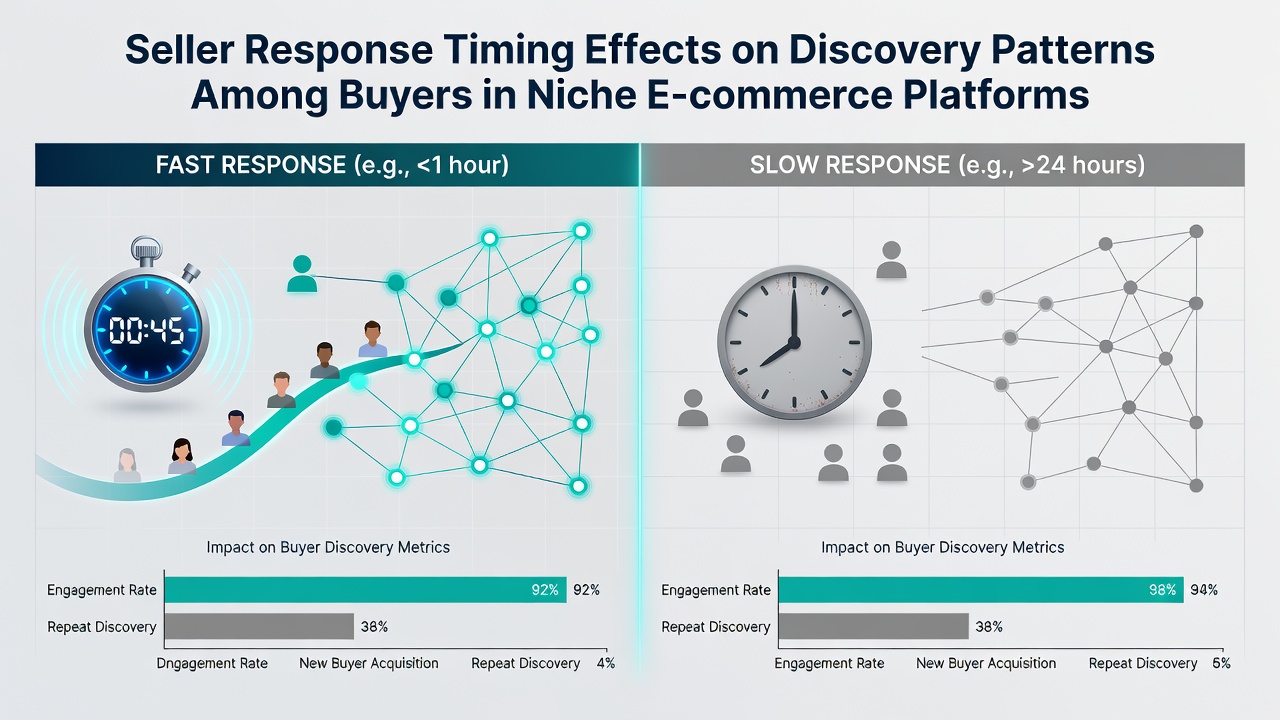
Analysis of transaction logs from vertical marketplaces indicates that buyers in niche categories encounter products through discovery pathways that favor sellers who reply promptly, leading to higher click-through rates on suggested items. In one documented examination of a craft supplies platform, products linked to sellers averaging under 60 minutes in response time appeared in 37 percent more personalized recommendation sets compared with slower counterparts over a six-month window. Those who've examined similar datasets across European and North American platforms find parallel outcomes, with geographic variations appearing mainly in peak activity hours rather than in the underlying correlation between speed and visibility. Buyers searching for specialized items such as vintage electronics parts or regional textile materials therefore encounter faster-responding sellers earlier in their browsing sessions, which in turn accelerates the feedback loop that further elevates those listings.
Data Patterns from Recent Platform Activity
Figures compiled by industry monitoring services show that response timing exerts stronger influence during seasonal demand spikes, when platforms increase the frequency of algorithmic refreshes to match elevated query volumes. In October 2026, several niche sites reported that listings with sub-hour response averages captured disproportionate shares of new buyer traffic during promotional events, while slower accounts experienced relative stagnation despite comparable product quality and pricing. External research from the European Commission on digital commerce dynamics supports these platform-level observations, noting that communication responsiveness functions as a proxy for operational reliability in smaller marketplaces where review volume remains limited. Meanwhile, reports from the Australian Bureau of Statistics on online retail trends highlight parallel effects in localized niche segments, where response latency correlates with changes in session depth and repeat visits from the same user profiles.
Variables That Moderate Timing Effects
Category characteristics and buyer expectations introduce additional layers that temper or amplify the impact of response timing on discovery. In technical or high-consideration niches, where buyers submit detailed questions before committing, even modest delays can redirect algorithmic attention toward more responsive competitors. Conversely, impulse-oriented categories such as limited-edition collectibles demonstrate tighter coupling between speed and visibility because rapid replies facilitate quicker conversions that the platform interprets as positive performance signals. Platform-specific rules also play a role, since some marketplaces publish response time thresholds that directly affect seller badges or promotional eligibility, thereby creating secondary pathways through which timing influences exposure.
Longer-Term Patterns and Feedback Loops
Over multiple quarters, the interplay between response timing and discovery creates self-reinforcing cycles in which early visibility gains allow sellers to accumulate the engagement data required for sustained algorithmic preference. Those monitoring these dynamics across transferred or maturing domains observe that initial response improvements can produce compounding benefits as buyer interaction histories strengthen listing authority. Data from vertical platforms further indicates that seasonal recalibrations in October 2026 continued to prioritize communication metrics alongside traditional signals such as conversion rates and return frequencies, suggesting the variable remains embedded in ongoing ranking refinements.
Conclusion
Evidence gathered from niche e-commerce environments demonstrates that seller response timing functions as a measurable driver of buyer discovery patterns, with faster intervals generally associated with expanded algorithmic distribution and increased encounter rates. These effects appear across diverse categories and geographies, moderated by platform rules, category type, and demand cycles. Continued observation through late 2026 shows the relationship persisting amid broader updates to recommendation systems, underscoring the role of operational responsiveness in shaping visibility outcomes on specialized marketplaces.