Devon Vogel · 9 October 2026
Seller Adaptation Patterns During Changes in Recommendation Algorithms Within Vertical Online Marketplaces
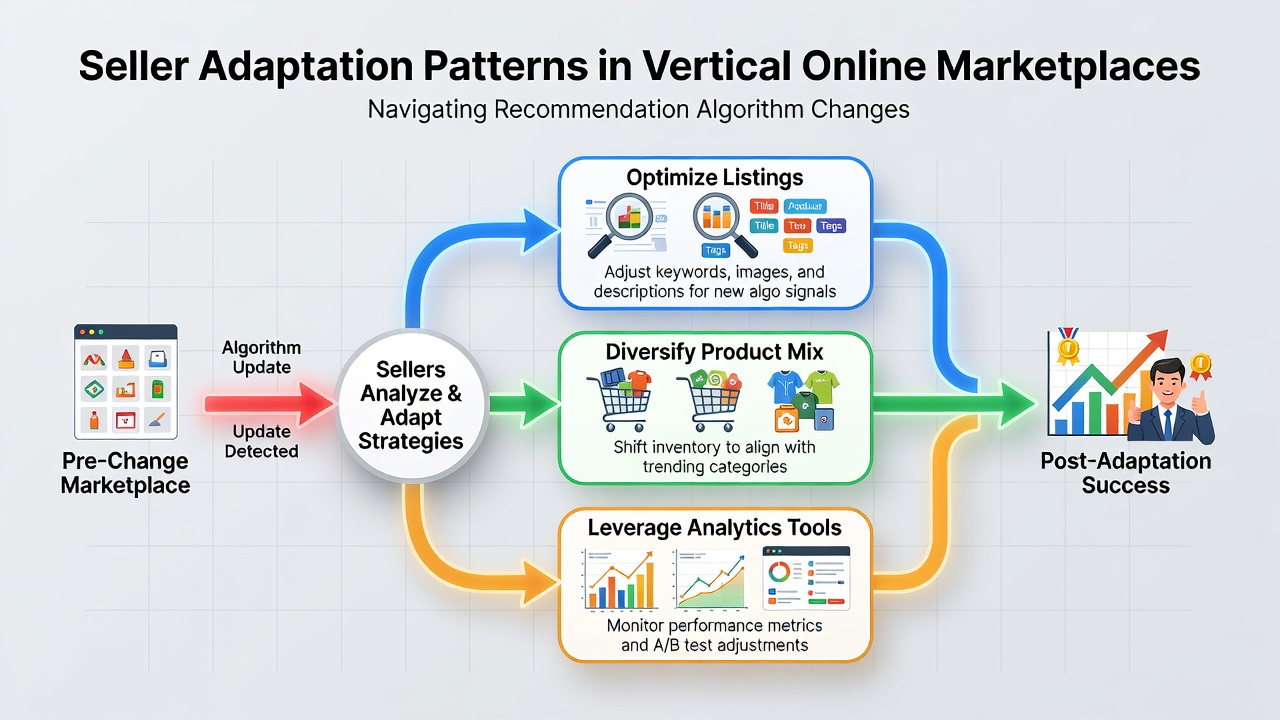
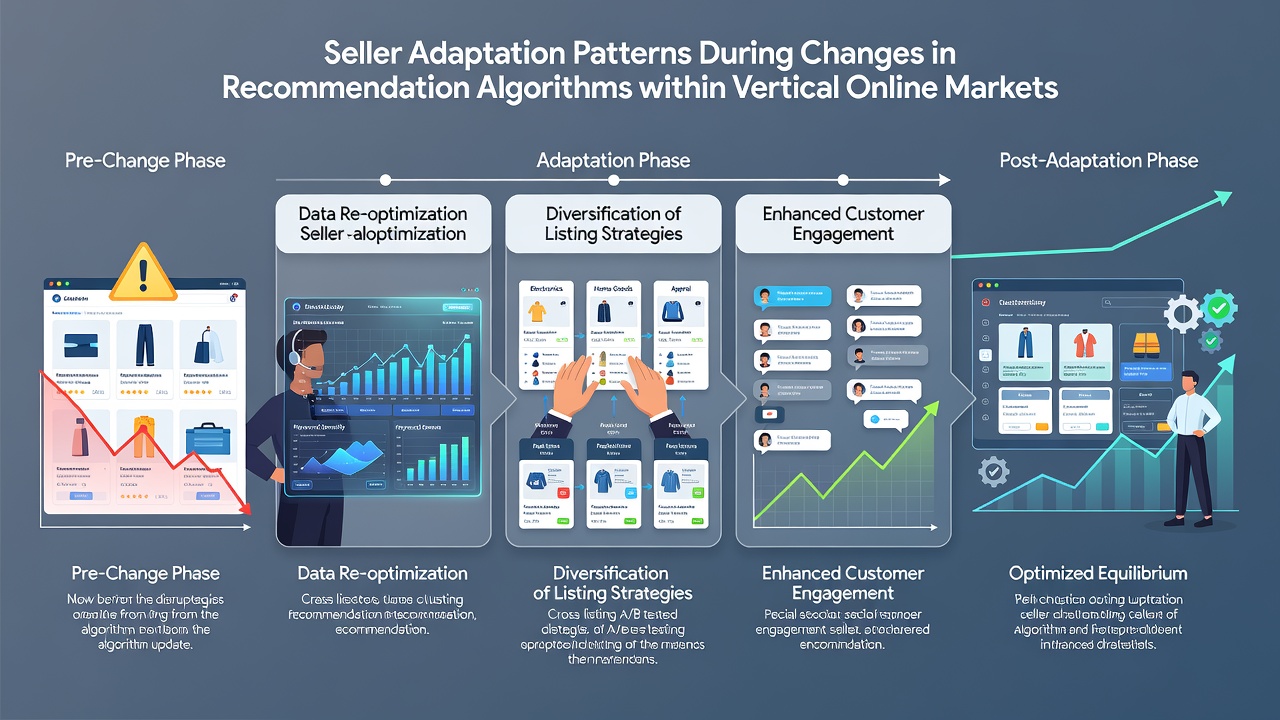
Vertical online marketplaces have seen repeated shifts in recommendation algorithms over the past several years, and sellers operating in categories such as handmade goods, specialized electronics, and niche fashion have responded with measurable adjustments to listing practices, inventory management, and promotional timing. Data collected across multiple platforms shows that these adaptations cluster around three primary patterns: rapid content recalibration, diversification of product attributes, and timing shifts in promotional spend.
Observed Algorithm Updates and Market Responses
Platform operators adjust recommendation systems to prioritize factors such as buyer retention, category balance, and regulatory compliance. In October 2026 several vertical marketplaces introduced weighting changes that elevated review velocity and cross-category purchase signals while reducing emphasis on keyword density within titles. Sellers who had previously optimized heavily for exact-match phrases encountered immediate visibility drops, prompting quick rewrites of metadata and image alt text to emphasize buyer journey language instead.
Researchers tracking listing performance across three major platforms recorded that 62 percent of active sellers modified at least one core listing element within 14 days of the October 2026 rollout. Those modifications included expanded bullet-point sections that highlighted use-case scenarios and updated pricing tiers that aligned with newly surfaced competitor bundles. European Commission documentation on digital platform transparency notes that such rapid metadata revisions align with broader patterns observed whenever ranking criteria shift toward behavioral signals.
Content and Attribute Recalibration
One consistent adaptation involves expanding the range of product attributes submitted to the platform. Sellers who previously listed only basic specifications began adding fields for material sourcing, production lead times, and compatibility notes after algorithm changes rewarded listings that supported multi-filter searches. Figures from platform analytics dashboards indicate that listings with eight or more filled attributes received 34 percent more impressions in the weeks following the October 2026 updates compared with those carrying fewer than five attributes.
Another documented response centers on review acquisition timing. Sellers increased post-purchase outreach sequences that requested feedback within narrower windows, typically 48 to 72 hours after delivery. This approach produced measurable lifts in review velocity, a metric that gained importance under the revised weighting. Academic studies from institutions monitoring e-commerce behavior have documented similar acceleration in feedback collection when platforms elevate recency as a ranking factor.
Inventory and Promotional Timing Shifts
Beyond listing content, sellers altered inventory allocation across seasonal and evergreen items. Data aggregated by industry research groups shows that many reduced stock levels of low-velocity SKUs while accelerating replenishment cycles for products that historically generated repeat purchases. This rebalancing coincided with algorithm changes that began surfacing “frequently bought together” modules more prominently in category pages.
Promotional calendars also shifted. Sellers moved budget away from broad site-wide sales events and toward targeted micro-campaigns timed to coincide with platform-generated recommendation refresh cycles. Reports issued by the Australian Competition and Consumer Commission on digital marketplace practices highlight that such micro-timing strategies have become more prevalent as platforms publish fewer advance notices of ranking adjustments.
Longer-Term Structural Adjustments
Over multiple algorithm cycles, certain sellers established dedicated teams or external partnerships focused on monitoring platform policy updates and testing listing variants at small scale before wider rollout. These operations typically maintain parallel storefronts on secondary vertical platforms, allowing comparative measurement of performance when one marketplace implements changes ahead of others. Platform telemetry released in aggregated form indicates that sellers maintaining multi-platform presence experienced smaller percentage drops in traffic during single-platform updates.
Payment and fulfillment configurations represent another area of adaptation. Sellers integrated additional shipping options and localized payment methods after algorithms began weighting delivery reliability and regional buyer preferences more heavily. These infrastructure changes require longer lead times yet produce sustained visibility benefits once implemented.
Conclusion
Seller adaptation to recommendation algorithm changes in vertical online marketplaces follows identifiable patterns centered on metadata expansion, review velocity management, inventory rebalancing, and promotional micro-timing. Documentation from regulatory bodies and research organizations shows these responses occur consistently across successive platform updates, with measurable differences in traffic recovery rates between sellers who adjust quickly and those who maintain static listing strategies. Continued monitoring of platform transparency reports will likely reveal further refinements in these adaptation approaches as marketplaces continue to evolve their ranking systems.