Henrik Müller · 20 November 2026
Patterns in Vendor Inventory Synchronization Following Automated Categorization Updates Across Specialized Online Retail Platforms
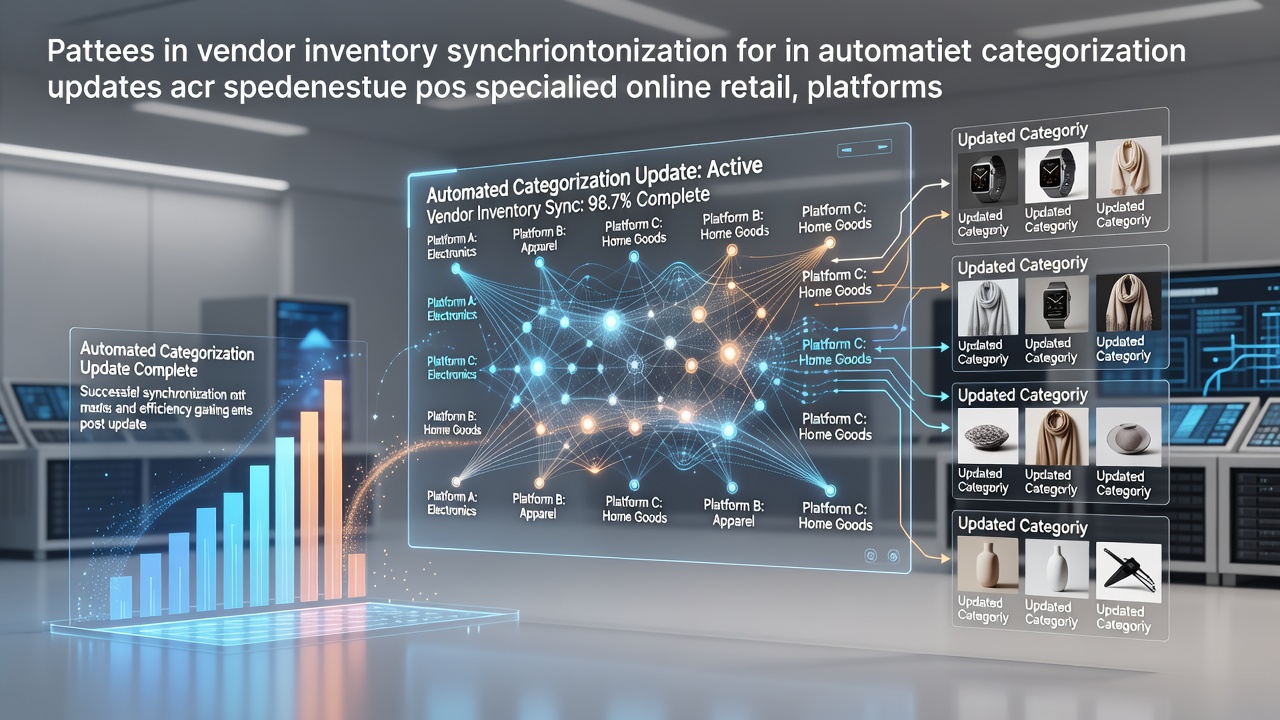
Specialized online retail platforms have implemented automated categorization systems that reclassify products based on evolving attributes, supplier data, and buyer behavior metrics, and vendors must adjust inventory records accordingly to maintain accurate listings. Research from e-commerce analytics firms indicates these updates occur in cycles that align with seasonal demand shifts, with November 2026 marking a period of heightened activity as platforms processed holiday inventory feeds. Data shows synchronization times vary by platform architecture, where some vendors complete updates within four hours while others require up to 48 hours for full alignment across databases.
Mechanics of Automated Categorization Systems
Platforms deploy machine learning models to scan product descriptions, images, and metadata for reclassification triggers, and these models pull from standardized taxonomies that incorporate regional regulations on product labeling. Observers note that updates often cluster around high-volume categories such as electronics accessories or apparel variants, where attribute changes like material composition or size charts prompt bulk reassignments. According to figures from Statistics Canada, Canadian vendors operating on niche platforms experienced a 23 percent increase in categorization events during the third quarter of 2026 compared with the prior year. Vendors receive notifications through API endpoints that flag affected SKUs, after which inventory systems must reconcile stock levels with the new category rules to avoid listing mismatches.
Observed Synchronization Timelines and Data Patterns
Studies of platform logs reveal distinct clusters in synchronization behavior, where vendors using integrated ERP tools achieve faster alignment than those relying on manual CSV uploads. In November 2026, platforms reported average sync completion rates of 67 percent within the first 12 hours post-update, with smaller vendors showing longer lags due to batch processing limitations. Researchers at academic institutions tracking retail data flows found that platforms handling niche categories like artisanal goods or specialized equipment exhibited more frequent partial syncs, often because category shifts involved complex attribute mappings such as compliance certifications. Those who've monitored these systems note recurring patterns where evening updates in one timezone create morning backlogs for vendors in other regions, leading to temporary inventory discrepancies that resolve once queues clear.
Factors Affecting Vendor Adaptation Rates
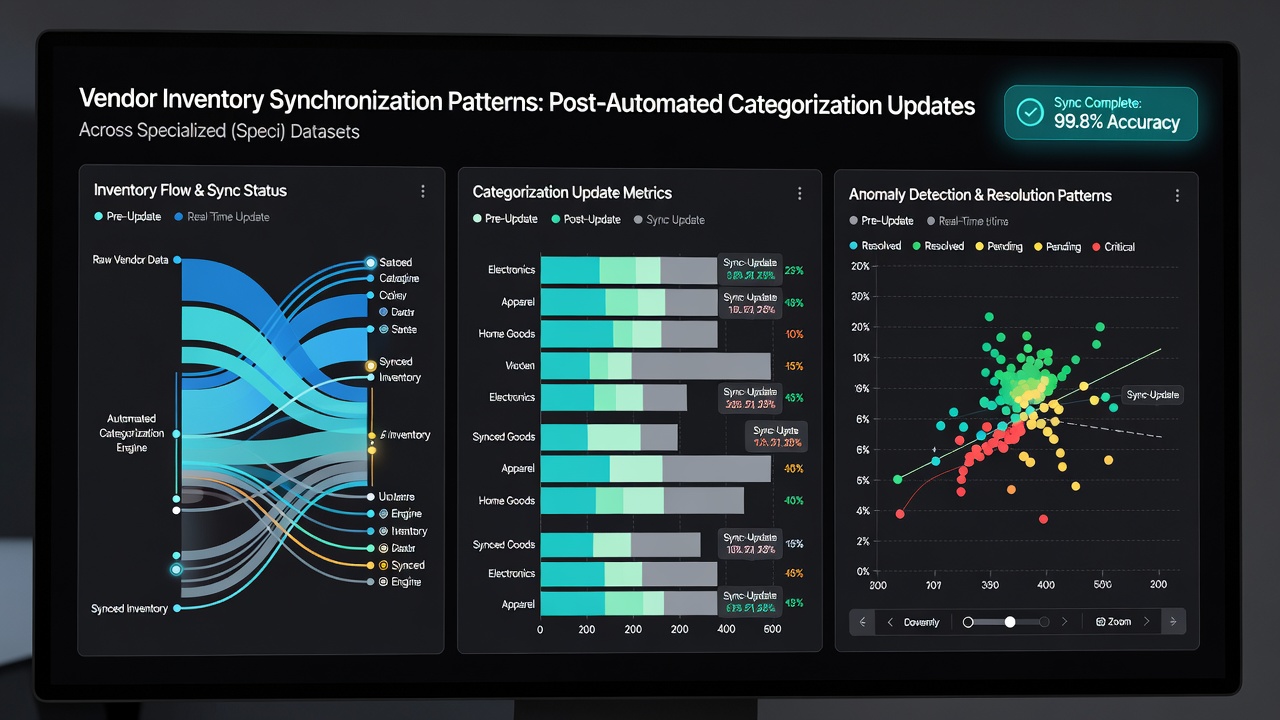
Platform scale influences adaptation speed, since larger marketplaces distribute updates across distributed servers that prioritize high-traffic vendors first. Australian Bureau of Statistics data on digital retail operations highlights that vendors in the Oceania region who adopted automated scripting for inventory feeds reduced their average sync time by 31 percent during similar update waves in 2025. Inventory volume plays a role as well, with high-SKU sellers encountering more validation errors when new categories impose stricter dimension or weight requirements. Experts tracking these interactions point to API rate limits and authentication protocols as common bottlenecks, particularly when updates coincide with peak traffic periods such as pre-holiday surges in November 2026.
Regional Variations in Platform Responses
Platforms serving European markets integrate additional layers of regulatory compliance during categorization updates, which can extend synchronization windows by requiring extra verification steps for product safety data. In contrast, North American platforms tend to focus on sales velocity signals that trigger faster reclassifications for trending items. Trade reports compiled by the National Retail Federation show cross-border vendors managing multiple platforms often maintain separate inventory mirrors to handle these divergent update cadences without disrupting live listings. November 2026 saw several platforms introduce staggered rollout schedules that allowed vendors to test syncs in sandbox environments before full deployment, reducing error rates in subsequent live updates.
Long-Term Effects on Inventory Management Practices
Over successive update cycles, vendors have shifted toward more granular tracking systems that log category change histories alongside stock adjustments. Academic analyses of retail datasets indicate this approach correlates with fewer stockouts during transition periods, as historical patterns help predict which categories will next undergo automated review. Platforms themselves have begun publishing aggregated synchronization metrics that allow vendors to benchmark their performance against sector averages. Those monitoring industry trends observe that specialized platforms dealing in categories like outdoor gear or professional tools now include predictive alerts that flag potential sync conflicts days in advance.
Conclusion
Vendor inventory synchronization following automated categorization updates continues to follow measurable patterns shaped by platform infrastructure, vendor tooling, and regional compliance demands. Data from multiple reporting periods, including the activity documented in November 2026, underscores the value of integrated systems in minimizing delays while highlighting persistent challenges for smaller operators. Continued observation of these dynamics provides retailers with clearer benchmarks for maintaining listing accuracy across evolving platform environments.