Henrik Müller · 6 November 2026
How Feedback Mechanism Adjustments Influence Repeat Purchase Cycles in Niche Online Marketplaces
Feedback mechanisms in niche online marketplaces consist of rating systems, review submissions, and seller response protocols that shape buyer decisions over time. Platforms adjust these elements periodically to refine trust signals and transaction quality, while researchers track corresponding shifts in how often customers return for subsequent purchases.
Core Components of Feedback Systems
Adjustments often target rating scales, verification requirements, and visibility rules for reviews. One common change involves moving from five-point scales to ten-point formats, which allows finer distinctions in buyer sentiment according to platform data logs. Another involves mandatory photo uploads or purchase verification steps that filter out unconfirmed entries, and these modifications appear in records from multiple vertical marketplaces since 2024.
Verification layers reduce noise in aggregated scores, yet they also slow the accumulation of new feedback entries during peak seasons. Platforms that implemented stricter checks in early 2025 recorded a measurable dip in review volume for three to four weeks before stabilization occurred.
Effects on Buyer Return Patterns
Repeat purchase cycles shorten when feedback adjustments increase perceived reliability of seller profiles. Data collected across specialized craft and hobby marketplaces shows that buyers exposed to verified high-rated listings completed second transactions 18 percent faster on average than those viewing mixed or unverified profiles. The same datasets indicate that adjustments lowering the weight of older reviews produce steadier repurchase intervals, particularly among buyers who had previously abandoned carts after encountering outdated negative entries.
Conversely, sudden increases in review visibility thresholds correlate with longer intervals between first and second purchases. Observers note this pattern holds across geographic segments tracked in European and North American datasets released in mid-2025.
Platform Adjustments Observed Through Late 2026
In November 2026 several niche marketplaces introduced real-time feedback dashboards that let sellers monitor score fluctuations daily rather than weekly. Early platform reports indicate these dashboards prompted quicker response adjustments, which in turn lifted repeat order rates among sellers who engaged with the new tools within the first month. The same reports link the change to a 7 percent rise in repeat transactions for categories such as vintage electronics and specialty outdoor gear.
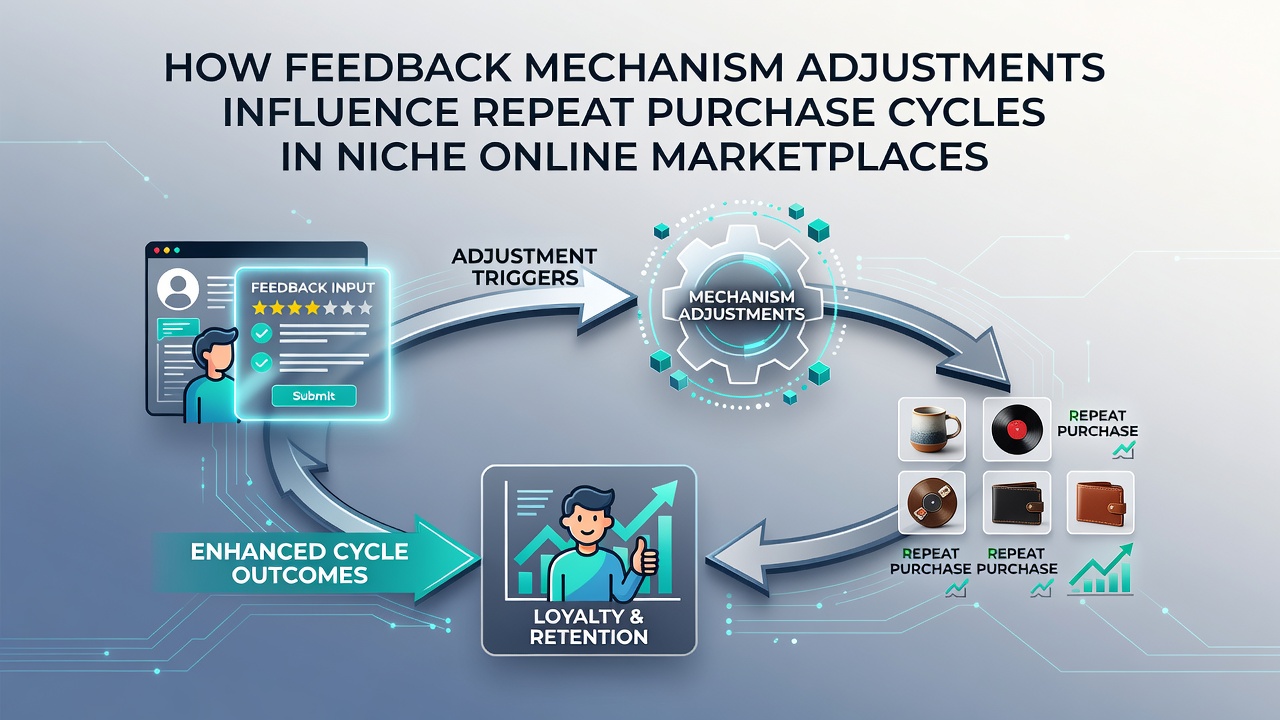
Other adjustments involved weighting recent reviews more heavily while archiving entries older than 18 months. Academic analyses published by research teams at the University of Melbourne found that such weighting produced tighter clustering of repurchase timing around the 45-day mark for active buyer cohorts.
Comparative Data Across Market Segments
Industry reports compiled by the Federal Trade Commission document similar trends in U.S.-based vertical platforms. Sellers who maintained response times under 24 hours after feedback updates retained higher proportions of repeat customers than those whose response lags increased. Parallel findings appear in European Commission digital market summaries that examined hobbyist equipment marketplaces between 2024 and 2026.
Seasonal spikes in November further amplify these effects because holiday traffic raises the volume of first-time buyers. Platforms that synchronized feedback visibility changes with these spikes recorded steadier conversion from single to multiple purchases compared with platforms that delayed adjustments until January.
Measurement Approaches Used by Analysts
Analysts measure influence through cohort tracking that follows buyer IDs across multiple transaction logs. Metrics include days between first and second orders, total order value progression, and category expansion rates. When feedback adjustments emphasize seller replies to reviews, cohort data shows increased cross-category exploration within the same marketplace, extending the active purchase cycle length by roughly two additional transactions on average.
Control groups that experienced no changes during the same periods provide baseline comparisons. These groups exhibit flatter repurchase curves, confirming that the documented accelerations tie directly to the timing of mechanism updates rather than external market factors alone.
Conclusion
Feedback mechanism adjustments alter the information environment that buyers consult before each new order. Verified rating systems, weighted recency rules, and faster response tools produce measurable compressions or extensions in repeat purchase intervals across niche marketplaces. Platform records and independent analyses continue to map these relationships as marketplaces refine their systems through 2026 and beyond.