Dana Carter · 25 September 2026
Exploring Audience Engagement Shifts After Platform Transitions in Niche Digital Marketplaces
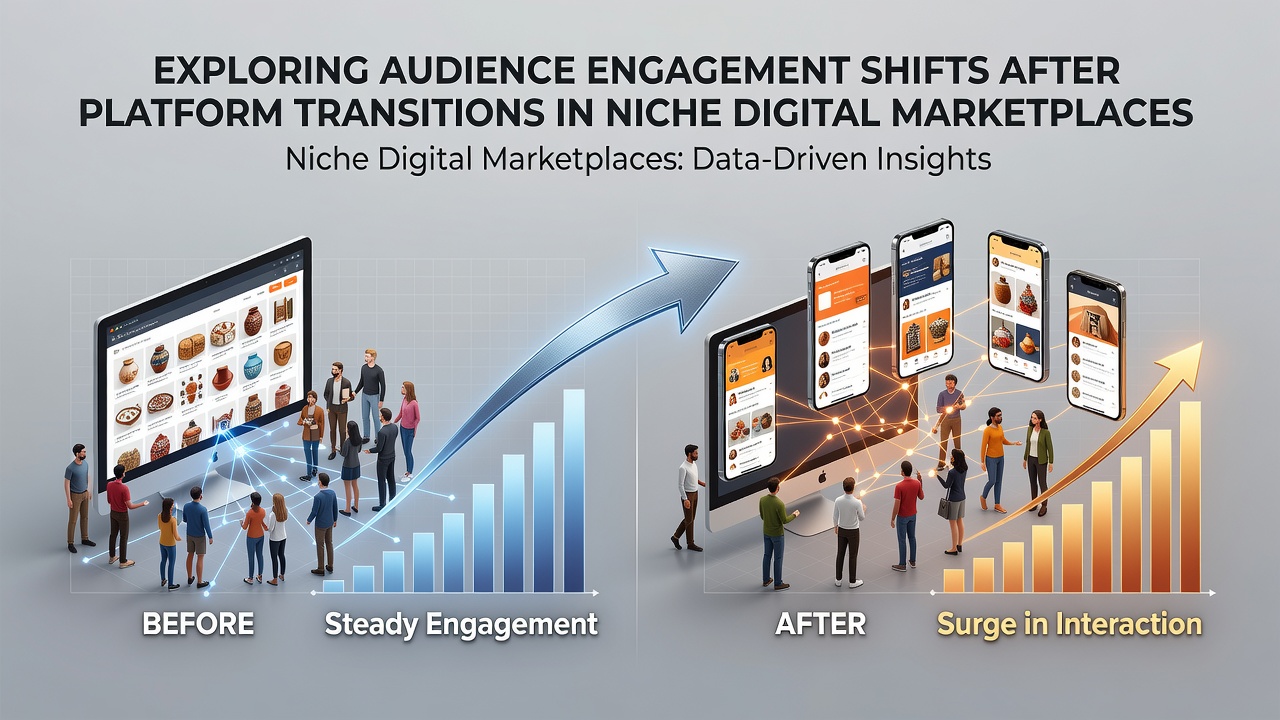
Platform transitions in niche digital marketplaces frequently trigger measurable changes in how audiences interact with content and complete transactions, and researchers track these patterns through metrics such as session duration, comment volume, repeat visit rates, and conversion percentages. Data from multiple industry reports indicate that initial engagement often declines within the first thirty days after migration because users encounter unfamiliar navigation structures and interface designs, yet recovery trajectories appear in subsequent months when operators implement targeted onboarding sequences and feature parity adjustments.
Patterns Observed Across Multiple Marketplace Types
Observers note that craft-focused platforms, independent software repositories, and specialty collectibles sites display similar engagement curves when they shift hosting environments or adopt new backend systems, and studies compiled by academic teams at institutions in Canada and Australia reveal that average time spent per visit drops by approximately twenty-two percent in the immediate post-transition window before stabilizing near or above prior baselines. Those who analyze user behavior logs point out that comment threads and community forums experience sharper initial reductions because threaded discussions require additional steps to locate and participate in after the changeover.
Key Metrics and Measurement Approaches
Analysts rely on a combination of server logs, third-party analytics platforms, and direct user surveys to quantify engagement shifts, and figures released by research groups in the European Union demonstrate that bounce rates climb during the first two weeks while click-through rates on internal links fall until site maps and search functions receive optimization updates. Researchers discovered that marketplaces emphasizing visual catalogs, such as digital art exchanges, show faster rebounds in image-viewing sessions once thumbnail loading speeds match pre-migration performance levels.
What's interesting is how geographic differences influence these outcomes, with data from North American sources highlighting stronger retention among mobile users compared to desktop cohorts when transitions involve responsive design improvements, whereas reports from Asian regulatory bodies document higher email open rates tied to migration announcements that include clear timelines and feature previews.
Case Examples from Recent Transitions
One documented migration involved a specialized vintage electronics marketplace that moved from a custom forum system to a standardized e-commerce framework in early 2025, and logs from that project showed weekly active user counts falling from twelve thousand to nine thousand before climbing back to eleven thousand within ninety days after the addition of personalized recommendation engines. Another instance occurred when a regional photography licensing platform relocated its user accounts and asset library to a cloud-based service, resulting in a temporary twenty-five percent reduction in download activity that reversed following the introduction of bulk-upload tools and revised metadata search capabilities.
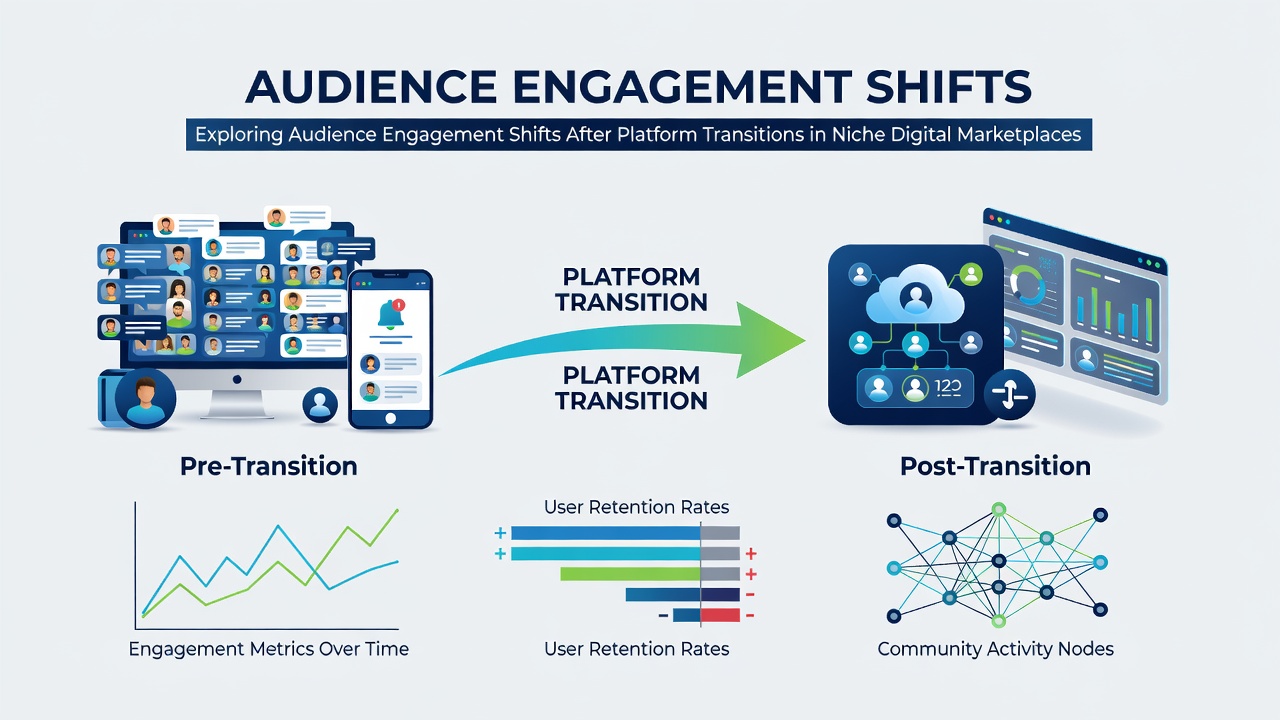
Turns out these recoveries depend heavily on proactive communication strategies, because marketplaces that published detailed migration roadmaps and hosted live walkthrough sessions recorded smaller engagement dips according to aggregated findings from multiple trade association studies. And the ball's in the operators' court when it comes to preserving search rankings and external referral traffic, since domain-level changes frequently affect crawl budgets and require coordinated sitemap submissions to maintain visibility in external indexes.
Factors That Influence Engagement Recovery
Technical elements such as page load times, mobile responsiveness, and integration with existing authentication providers play central roles in how quickly audiences resume prior interaction levels, while community management tactics including moderator training on new moderation panels and scheduled AMA events help sustain discussion momentum. Evidence from longitudinal tracking indicates that marketplaces incorporating user feedback loops during the transition planning phase experience thirty percent faster return to baseline engagement metrics than those that finalize changes without prior consultation.
September 2026 marks the scheduled rollout of updated digital services regulations in several jurisdictions that may require additional transparency around data portability during platform shifts, and preparatory work by marketplace operators already includes mapping user data fields to ensure uninterrupted access to purchase histories and saved preferences once new compliance frameworks take effect.
Long-Term Trends and Measurement Tools
Over extended periods spanning twelve to eighteen months, engagement patterns tend to stabilize at levels comparable to or exceeding pre-transition figures when operators maintain consistent content calendars and introduce incremental feature enhancements based on usage analytics, and industry organizations across different continents continue to develop standardized benchmarking frameworks that allow cross-marketplace comparisons of audience retention rates. Academic papers published in peer-reviewed journals further examine correlations between transition duration and sustained engagement, revealing that migrations completed within four weeks correlate with higher overall satisfaction scores in post-migration surveys.
Conclusion
Platform transitions in niche digital marketplaces produce distinct yet predictable shifts in audience engagement that researchers and operators can anticipate through careful monitoring of core metrics and implementation of user-centered adjustments. Continued collection of comparative data across regions and marketplace categories will support more precise forecasting models for future migrations, particularly as regulatory expectations around data handling evolve through 2026 and beyond.